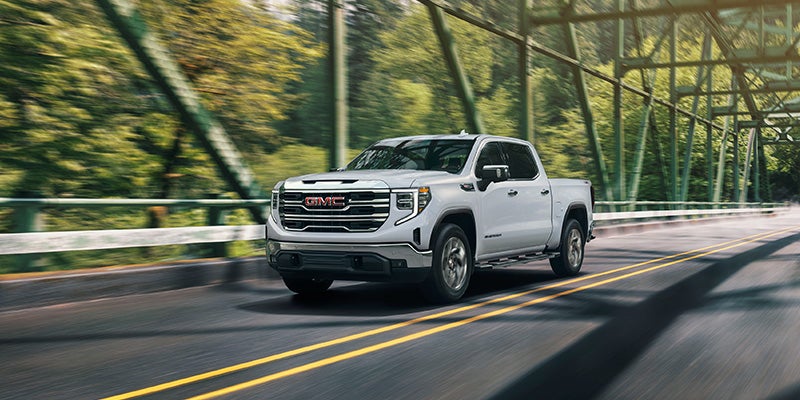



If you own a Duramax®-powered GMC Sierra, don’t wait until the first freeze to think about your diesel truck’s winter maintenance. September is the ideal window to assess your truck's condition before cold temperatures make every task harder. Drivers in Mandan, North Dakota know how quickly conditions can shift, and getting ahead of the season now means fewer surprises when it matters most. Check Your Fuel System for Cold-Weather Readiness Diesel fuel behaves differently in cold weather than gasoline does. As temperatures drop, diesel can begin to gel, restricting flow through your fuel lines and filters. One of the most important GMC Sierra Duramax® cold weather tips is to switch to a winter-blend diesel fuel or add a quality anti-gel fuel additive before temperatures dip below freezing. You should also replace your fuel filter if it is overdue, since a clogged filter puts extra strain on the system when the engine is working hardest. Inspect Your Batteries and Electrical System Diesel engines rely on strong battery power to fire up in cold weather because they require higher compression to ignite. A battery that functions adequately in summer may struggle to turn over a Duramax® engine on a January morning. Have your battery load-tested in September while conditions are still manageable. Check the terminals for corrosion, inspect the cables for wear, and confirm that your alternator is charging properly. Many Duramax® trucks use dual batteries, so both units need to be evaluated. Review Your Coolant and Glow Plugs Your cooling system plays a critical role in diesel truck winter maintenance. Verify that your coolant mixture provides adequate freeze protection for the low temperatures common in Mandan, ND. A 50/50 mix of coolant and distilled water is a reliable starting point, but North Dakota winters may call for a richer coolant concentration. While you’re at it, have your glow plugs inspected. These components pre-heat the combustion chambers to help the engine start reliably in cold weather, and a failing glow plug can lead to hard starts or misfires. Evaluate Your Oil Viscosity Engine oil thickens in cold temperatures, which slows lubrication at startup—the most wear-intensive moment for any engine. Check your owner's manual for the recommended cold-weather oil viscosity for your specific Duramax® engine. Switching to a lower-viscosity oil for winter months can help ensure that critical components are protected from the moment you start your truck. This is one of the simplest, but most effective cold-weather tips for your GMC Sierra’s Duramax® engine that you can act on right now. Prepare Your Tires and Brakes Traction and stopping power are non-negotiable when snow and ice arrive. Inspect your tire tread depth and sidewalls for any cracking or damage. If you run all-season tires, confirm they’re rated for winter conditions. Examine your brake pads and rotors as well, since cold weather can expose weaknesses that are less noticeable during summer driving. A truck that tows or hauls through winter weather needs a braking system that’s fully up to the task. Visit Schwan Buick GMC Before the Season Changes The best diesel truck winter maintenance plan includes a professional inspection by technicians who know your vehicle. The team at Schwan Buick GMC can help you get your GMC Sierra Duramax® ready for whatever the season brings. Start September Strong and Drive with Confidence Diesel truck winter maintenance does not have to be overwhelming. By working through this checklist in September, Duramax® owners can head into the colder months with confidence. From fuel system care to battery checks and glow plug inspections, each step you take now protects your investment and keeps your GMC Sierra running reliably all winter long. Visit Schwan Buick GMC online to schedule your seasonal service in Mandan, North Dakota today.